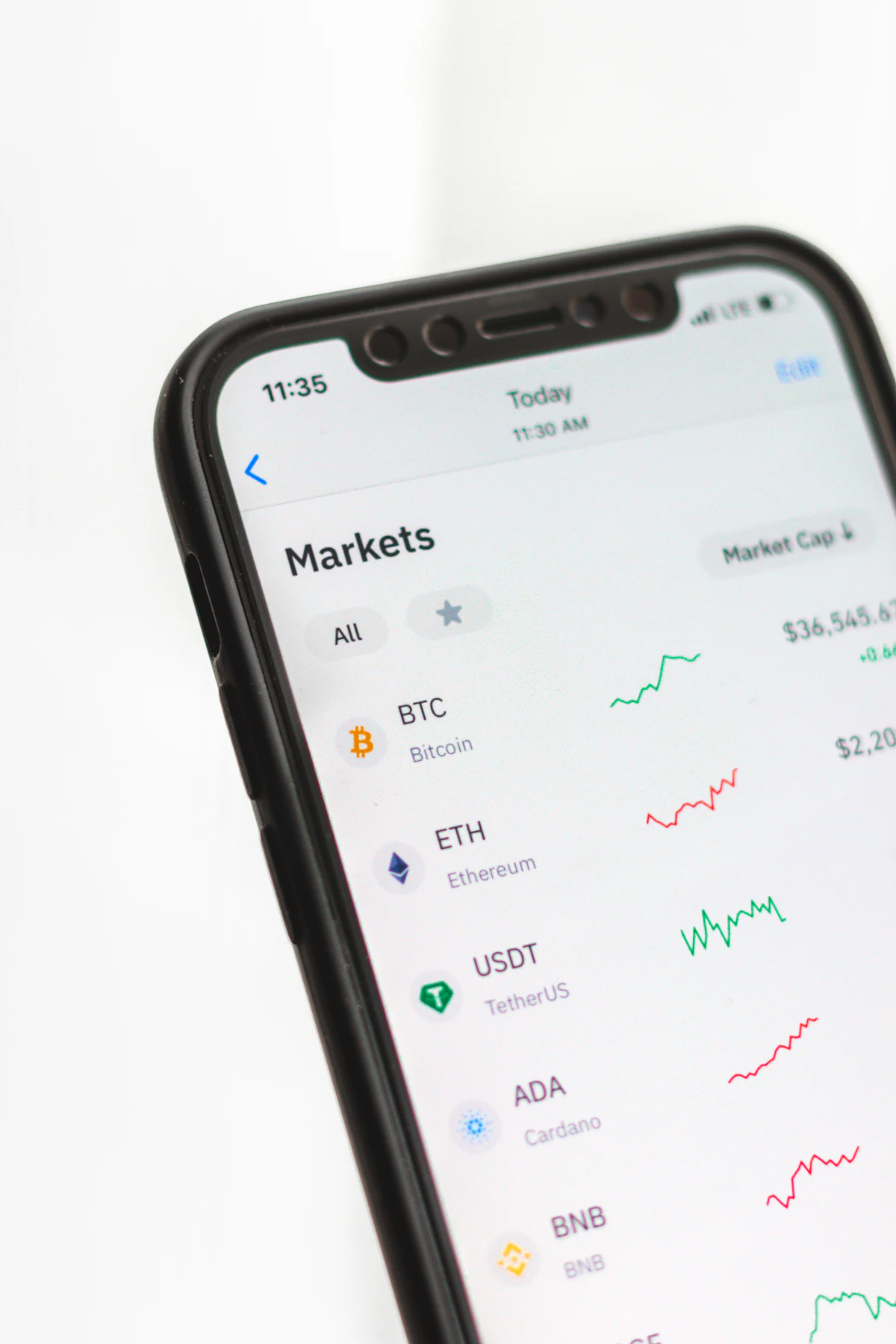
If you landed here looking for USDT Flash Activation Errors, you are in the right place. We break the topic into short sections with the plan limits, network choices, and wallet settings that matter in 2026 for beginners.
Troubleshooting Common Issues
Most issues come down to one of three things: the wrong network, a missing token in the wallet, or an outdated wallet app. Check those first — they solve the large majority of support tickets.
If a flash does not appear, first check that the wallet and the explorer are on the same network. Next, make sure the correct USDT token is added to the wallet. If it still looks wrong, contact support with your plan, network, wallet version, and transaction hash.
Security and Staying Safe
Simple habits prevent most problems: bookmark the official site, keep your seed phrase offline, use a separate testing wallet, and verify every transaction on a block explorer rather than trusting a screenshot.
Treat any offer of 'free flash USDT' or 'activation tax' payments as a red flag. Verify the domain, check that the page uses HTTPS, and confirm contact details against the official contact page before paying.
What USDT Flash Activation Errors Means in Practice
Most people come to USDT Flash Activation Errors from one of two directions: they want to see how flashed balances appear in popular wallets, or they need an easy to repeat process for demos and testing. Both start the same way — pick a plan, install the software, and run a small test before anything larger.
The short version: USDT Flash Activation Errors gives you a controlled way to work with flashed USDT on Tron and Ethereum. The details below explain where each plan fits and which settings to check first.
Setting Up Your Wallet
The ETH Flash works with Trust Wallet, TronLink, MetaMask, Coinbase Wallet, and Ledger, plus P2P platforms such as Binance P2P, OKX, and Paxful. Update the wallet app first, confirm you are on the right network, and use a personal wallet for testing rather than your main savings wallet.
Before your first run, install the latest wallet version from the official app store, add the correct USDT token for your network, and note the wallet version — support will ask for it if anything looks off.
Step-by-Step Process
The process is the same every time: activate, select a network, test small, verify, then scale. Most setup problems come from skipping the small test, so treat it as a required step rather than an optional one.
Go slowly the first time. Activate your key, pick one network, send a small test amount, and check it on the explorer before you increase volume. Once that loop works, repeating it is quick.
Choosing the Right Plan
Match the plan to your volume, not your goals. If you only need to test wallet behaviour, the $19 Demo is enough. Teams running daily P2P or OTC steps usually move to Professional ($2,500/year, $50M/day); heavy, long-term users pick Lifetime ($3,000 once, $100M/day).
Pricing is simple: Demo $19 (one-time, $35/day), Professional $2,500/year ($50M/day), and Lifetime $3,000 one-time ($100M/day). Every plan includes free updates and 24/7 support, so the main difference is daily limit and how long access lasts.
Conclusion
That covers the basics of USDT Flash Activation Errors. Pick a plan that fits your daily volume, stay on one network while you learn, and verify everything on a block explorer.
Continue learning: view pricing plans, read the guides, browse the FAQ, or contact support. WhatsApp: +1 347 383 8076 · Email: flashsoftwarestool@gmail.com.


